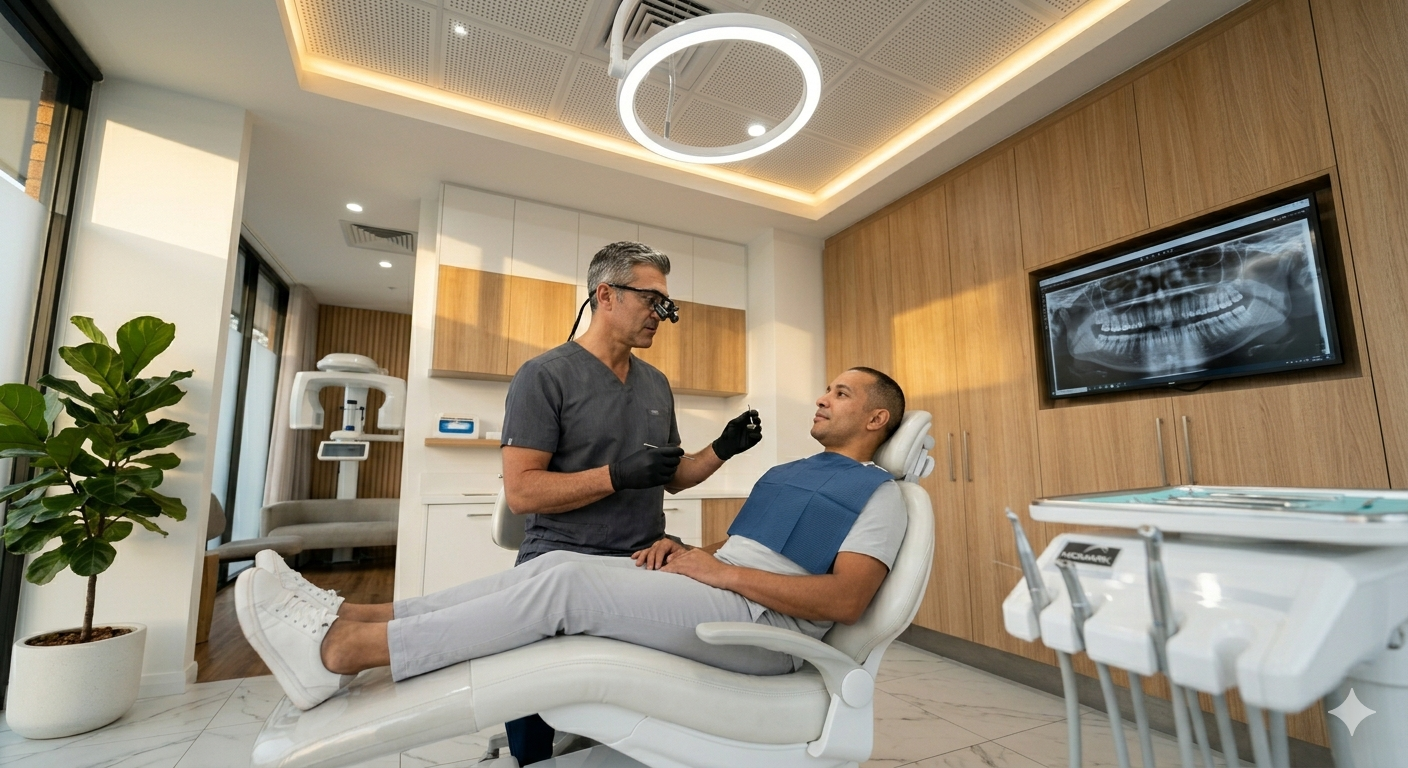
When someone in Concord, CA is deciding between veneers and crowns, it often comes down to the specific dental issue and desired outcome. Veneers are typically chosen for improving the appearance of front teeth with minimal damage, while crowns offer stronger protection for teeth with significant decay or damage. Understanding these differences can help patients make a choice that fits their smile goals and oral health needs.
Both treatments use custom-made shells, but veneers are thinner and cover only the front surface, making them great for minor chips or discoloration. Crowns, on the other hand, encase the entire tooth, providing more support for teeth weakened by decay or fracture.
Knowing what to expect from each option helps patients feel confident during consultations and treatments. Dental experts in Concord encourage people to ask questions and explore which method best suits their comfort and lifestyle.
Understanding Dental Veneers
Dental veneers are thin shells designed to improve the appearance of teeth. They cover the front surface to correct issues like discoloration, chips, or minor misalignment. Different types and candidate considerations affect how veneers can enhance a smile.
What Are Veneers?
Veneers are custom-made, wafer-thin shells typically made from porcelain or composite resin. They are bonded to the front of teeth to enhance color, shape, size, or length. This cosmetic treatment helps mask imperfections like stains that don’t respond to whitening, cracks, or gaps between teeth.
Applying veneers usually requires minimal enamel removal to ensure a proper fit and natural look. The process is conservative compared to crowns, preserving more of the natural tooth structure. Veneers offer a durable, stain-resistant solution that can last 10-15 years with good care.
Types of Veneers Available
Two main types of veneers are porcelain and composite resin. Porcelain veneers are strong, resist staining well, and mimic natural tooth translucency. They require multiple dental visits but generally last longer.
Composite resin veneers are applied directly to teeth in a single appointment. They are less expensive but more prone to chipping and staining over time. Their lifespan is shorter, often around 5-7 years.
Dentists decide which type suits a patient based on budget, cosmetic goals, and the condition of teeth.
Typical Candidates for Veneers
Ideal candidates have healthy teeth and gums but want cosmetic improvement for surface-level flaws. Veneers suit those with discolored, worn, chipped, or slightly misaligned teeth. Patients with good oral hygiene and no significant bite issues respond best.
Those with extensive decay or weakened teeth may need crowns instead. Veneers are not recommended for people who grind their teeth heavily, as this can damage the thin shells.
A dental professional evaluates each case to ensure veneers will provide a safe and attractive result.
Exploring Dental Crowns
Dental crowns are versatile restorations designed to protect and strengthen damaged teeth. They can restore a tooth’s shape, size, and function, while offering durability and improved appearance. Understanding their types, uses, and materials helps patients make informed decisions.
Defining Dental Crowns
A dental crown is a custom-made cap that covers a tooth entirely. It fits over the visible part of the tooth above the gum line, providing a protective layer. Crowns are used when a tooth is weakened by decay, cracks, or after root canal treatment.
The procedure involves reshaping the tooth to create space for the crown. Then, the dentist takes impressions and fabricates the crown, which is cemented in place. This restores the tooth’s strength and prevents further damage.
Crowns can also improve the cosmetic look of a tooth that is misshapen or severely stained. They aim to blend with your natural teeth, maintaining both function and appearance.
Common Crown Materials
Crowns come in various materials, each with pros and cons:
- Porcelain/Ceramic: Best for front teeth due to natural tooth color and translucency. They resist staining but are less durable under heavy chewing forces.
- Porcelain-fused-to-metal (PFM): Combines strength of metal with the appearance of porcelain. Visible metal edges can appear near gums over time.
- Gold or Metal Alloys: Very durable and resistant to wear. Often used on back teeth but less natural looking.
- Zirconia: Highly durable and tooth-colored, making it both strong and aesthetically pleasing. Increasingly popular in modern dentistry.
Choosing the right material depends on the tooth’s location, bite force, and cosmetic preference.
When Are Crowns Recommended?
Crowns are recommended when a tooth:
- Has large decay that a filling cannot support.
- Is cracked, fractured, or worn down.
- Has undergone root canal treatment leaving it fragile.
- Needs cosmetic improvement for shape or color.
- Is part of a dental bridge to replace missing teeth.
They are ideal when a tooth needs full coverage beyond the scope of standard fillings or veneers. Crowns provide long-lasting protection and restore chewing strength.
Patients with heavy tooth grinding may also benefit from crowns for added durability. Dentists evaluate oral health, bite alignment, and patient preferences to decide the best timing for crown placement.
Key Differences Between Veneers and Crowns
Veneers and crowns both improve the look and function of teeth but do so in different ways. Understanding how they restore teeth, the steps involved, and their durability helps patients make informed choices.
How Each Restores Teeth
Veneers cover only the front surface of a tooth to enhance appearance. They are ideal for fixing discoloration, minor chips, or slightly misaligned teeth without changing the tooth’s entire structure.
Crowns, on the other hand, encase the entire tooth. They restore strength to teeth with large fillings, cracks, or significant decay. Crowns rebuild the tooth’s shape and protect it from further damage.
Preparation and Procedure Steps
Preparing for veneers usually involves removing a thin layer of enamel from the tooth front. This allows the veneer to fit smoothly. The dentist then takes impressions to create custom-made shells that bond permanently to the tooth.
Crown preparation requires more removal of tooth structure on all sides to fit over the entire tooth. Impressions are taken to craft a crown that matches the tooth’s shape and bite. A temporary crown often protects the tooth until the permanent one is placed.
Comparing Durability and Longevity
Crowns tend to last longer due to their full coverage and thicker material. They generally withstand chewing forces well and protect damaged teeth reliably for 10-15 years or more with good care.
Veneers are thinner and mainly designed for aesthetics, making them slightly less durable. They last around 7-12 years before needing replacement, especially if exposed to heavy wear or trauma.
Both options require maintaining good oral hygiene and regular dental checkups to extend their lifespan.
Treatment Experience and Patient Comfort
The process of getting veneers or crowns in Concord, CA involves different steps, but both prioritize patient comfort and effective results. Understanding what happens during treatment and how to deal with any sensitivity helps patients feel more confident and prepared.
What to Expect During Each Process
For veneers, the dentist removes a thin layer of enamel from the front of the teeth. This usually requires minimal drilling, which helps preserve most of the natural tooth. After preparation, impressions are taken, and custom veneers are made. Temporaries may be placed while waiting for the final veneers.
Crowns involve more tooth reduction since they cover the entire tooth. The dentist shapes the tooth to fit the crown securely. Impressions follow, and a temporary crown is worn during the lab process, typically lasting 1-2 weeks.
Both procedures generally take two visits. Local anesthesia is used, keeping discomfort low throughout treatment.
Managing Sensitivity and Recovery
After both veneer and crown placement, patients might notice mild sensitivity to hot or cold foods. This usually fades within a few days to a week as the tooth adjusts.
Using a soft-bristled toothbrush and avoiding hard or sticky foods helps protect the new restoration during healing. Over-the-counter pain relievers can manage any soreness.
If sensitivity or discomfort persists longer than expected, a visit to the dentist is important to check fit and ensure no complications. Proper aftercare supports lasting comfort and the health of the restored tooth.
Aesthetic Results and Customization
Veneers and crowns both aim to improve the look of teeth but offer different levels of customization and appearance. Their ability to match color and shape directly affects how natural and seamless the restoration looks.
Color Matching and Shape Options
Veneers are highly customizable in color. Dentists can select shades that closely match surrounding teeth or even brighten your smile. Because veneers cover only the front surface, they allow precise control over tooth appearance without affecting the entire tooth structure.
Crowns cover the entire tooth, so color matching involves the full tooth’s shade. While modern crowns use materials like porcelain or ceramic for natural translucency, slight color variations can occur. Shape options for crowns may be less flexible since the restoration must fit over the full tooth, maintaining function as well as looks.
Both restorations undergo careful color and shape adjustments in the dental lab to ensure the best fit and appearance before placement.
Blending with Natural Teeth
Veneers blend smoothly with natural teeth because they only cover the front and can be made very thin. This thinness lets light pass through similarly to healthy enamel, creating a natural glow. The edges of veneers are also polished to transition gently into the surrounding tooth.
Crowns, meanwhile, can sometimes appear bulkier since they replace all visible tooth surfaces. However, advancements in dental materials have improved crown translucency and texture. Skilled dentists and lab technicians personalize crowns to mimic the contours and surface details of natural teeth, helping them blend in well.
The choice between veneers and crowns depends on which option better suits the tooth’s condition and the patient’s smile goals.
Cost Considerations in Concord, CA
Understanding the expenses involved helps patients make informed decisions about veneers and crowns. Prices can vary widely depending on materials, procedures, and individual dental needs. Financing and insurance options also play a role in managing these costs.
Typical Price Ranges
In Concord, CA, veneers typically cost between $800 and $2,500 per tooth. Porcelain veneers are usually on the higher end due to their durability and natural appearance. Composite veneers tend to be less expensive but may not last as long.
Crowns generally range from $1,000 to $3,000 per tooth. Materials like porcelain-fused-to-metal fall toward the lower end, while all-ceramic or zirconia crowns are more costly. These prices often include the prep work and fitting but can vary by dentist.
Factors Affecting Cost
The type of material significantly impacts pricing. Porcelain and zirconia are more expensive but provide better longevity and aesthetics. The condition of the tooth affects cost too; damaged or decayed teeth might require additional treatments like root canals before placing a crown or veneer.
Location and the dentist’s experience also influence cost. Concord has a mix of practices from affordable clinics to higher-end specialists, which reflects in their pricing. Complex cases often require more chair time, thus increasing the fee.
Dental Insurance and Financing
Most dental insurance plans cover crowns partially, often paying 50% to 80%, depending on the plan and reason for treatment. Veneers are usually considered cosmetic and are less likely covered. It is important to check with the insurance provider in advance.
Many Concord dental offices offer financing options such as monthly payment plans or third-party credit services. These programs make it easier to spread out costs. Patients should ask about in-house plans or partnerships with companies like CareCredit to find flexible payment solutions.
Long-Term Care and Maintenance
Long-lasting results for veneers and crowns depend on proper daily habits and timely recognition of any problems. Keeping these dental restorations healthy requires specific care routines and attention to changes that could indicate damage or wear.
Daily Hygiene Tips
Maintaining daily oral hygiene is crucial for both veneers and crowns. Brushing twice a day with a soft-bristled toothbrush helps protect the bonded areas without causing wear. Using non-abrasive fluoride toothpaste reduces the risk of chipping or scratching the surfaces.
Flossing gently around the crown or veneer margins removes plaque buildup that can lead to gum irritation or decay beneath the restoration. Avoid flossing with excessive force to prevent loosening. Rinsing with an antimicrobial mouthwash may add protection against bacteria.
Patients should avoid biting hard objects and foods that can crack or chip the materials. Regular dental cleanings every six months help keep gums healthy and monitor the condition of the veneers and crowns.
How to Make Results Last
Consistent dental visits allow early detection of wear or issues with crowns and veneers. The dentist can adjust bite alignment and polish surfaces to reduce stress on the restorations. Wearing a night guard is recommended if teeth grinding or clenching is a concern, as it prevents fractures.
Eating a balanced diet low in sugary and acidic foods protects the bond between tooth and restoration. Hydration helps maintain saliva flow, which naturally cleanses teeth and prevents decay.
Avoiding habits like nail-biting, chewing ice, or opening packages with teeth further preserves the integrity of veneers and crowns. Using a straw with acidic drinks can limit exposure and protect edges from erosion.
Recognizing Signs of Trouble
Patients should watch for sensitivity, discomfort, or changes in appearance around a veneer or crown. Pain or swelling in the gums may signal infection or loosening. Chips, cracks, or discoloration can indicate restoration damage or decay underneath.
A feeling of roughness or a raised edge could mean cement breakdown, requiring dental evaluation. Sudden bite changes, such as difficulty chewing or a shift in how teeth meet, suggest a need for professional assessment.
Early recognition and treatment of these signs help avoid more extensive repairs or replacement. Patients are encouraged to contact their dentist promptly if they notice any unusual symptoms.
Making Your Decision with Expert Guidance
Choosing between veneers and crowns involves many details specific to each patient’s dental health and cosmetic goals. Understanding how a skilled dentist evaluates these factors ensures a treatment plan tailored to your needs.
Personalized Consultations
A personalized consultation is the first step in deciding between veneers and crowns. The dentist will examine the condition of your teeth, including decay, damage, and overall strength. They also assess your bite and alignments, which influence the best restorative option.
During the consultation, patients discuss their aesthetic goals—whether they want to improve color, shape, or correct minor flaws. The dentist may take X-rays or impressions to get a clear picture. This detailed evaluation helps the dentist recommend veneers if the tooth structure is mostly intact, or crowns if more extensive coverage is needed.
This meeting also allows patients to express concerns about durability, comfort, and cost. The dentist can explain how each option fits those concerns, making the choice clearer and more confident.
Questions to Ask Your Dentist
Before deciding, it’s important to ask questions that clarify the benefits and limitations of veneers and crowns. Patients should inquire about the lifespan of each option and what kind of maintenance they will require. For example:
- How long can I expect the veneers or crowns to last with proper care?
- Will this option affect my tooth sensitivity?
- How does the treatment process differ in terms of visits and preparation?
It’s also helpful to ask about the materials used and how natural the results will appear. Understanding the cost breakdown and if insurance covers part of the procedure can prevent surprises.
Patients should feel comfortable discussing their lifestyle, habits like teeth grinding, and any allergies, as these factors influence the dentist’s recommendation. Good communication ensures the chosen treatment suits both dental health and daily living.
Frequently Asked Questions
Understanding the practical differences between veneers and crowns can help patients make informed choices. This section covers how they look, how much tooth needs altering, durability, comfort, and candidacy for each option.
What’s the main difference between a veneer and a crown, and when is each one a better fit?
A veneer covers only the front surface of a tooth, mainly improving appearance. Crowns encase the entire tooth, offering more protection.
Veneers are best for cosmetic fixes like minor chips or discoloration. Crowns are better when a tooth is severely damaged or weakened.
Will a veneer or a crown look more natural and match my other teeth better?
Both veneers and crowns can be made from tooth-colored materials that blend well with natural teeth. Skilled dental labs can customize them to closely match shade and shape.
Veneers may offer a slightly more natural look because they preserve more of the original tooth. Crowns might be thicker but still provide a good aesthetic with proper care.
How much tooth structure needs to be removed for veneers compared with crowns?
Veneers require removing a thin layer from the tooth’s front, usually less than a millimeter. Crowns need more extensive reshaping to fit over the whole tooth.
This means veneers are less invasive, preserving more of the natural tooth while crowns involve more removal to ensure a secure fit.
Which option tends to last longer, and what can I do to help it stay in great shape?
Crowns generally last longer, often 10-15 years or more, because they protect the entire tooth. Veneers typically last 7-12 years depending on care.
Good oral hygiene, avoiding hard foods, and regular dental checkups help extend the life of both veneers and crowns.
Are veneers or crowns more comfortable, and what does the procedure feel like from start to finish?
Most patients find both comfortable, with local anesthesia used during preparation. Veneer procedures usually take less time and are less invasive.
Crowns can require more visits and may cause mild sensitivity initially. Both treatments may cause some temporary gums sensitivity but should feel natural once healed.
How do I know if I’m a good candidate for veneers or if a crown would be the safer choice?
A good candidate for veneers has healthy teeth and needs mostly cosmetic improvement. Crowns are safer when teeth have large fillings, cracks, or significant damage.
A dentist in Concord, CA can assess your tooth strength and oral health to recommend the best option tailored to your needs.