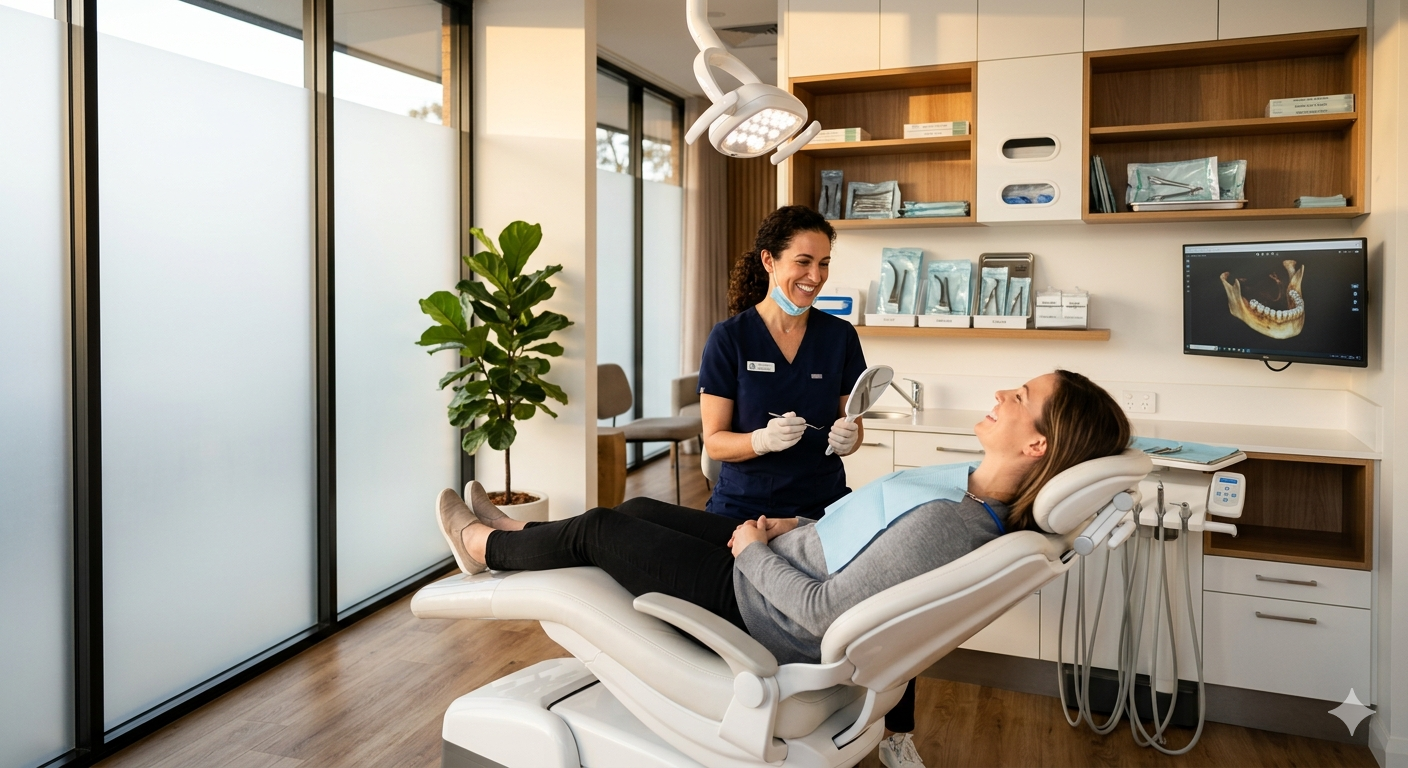
Looking for smile makeover options in Concord, CA? You’ll find practical, modern ways to improve appearance, function, and confidence — from whitening and veneers to implants, crowns, and clear aligners — tailored to your needs and comfort.
A local dental team can assess your goals, combine cosmetic and restorative treatments, and create a personalized plan that fits your lifestyle and budget.
They explain procedures, sedation choices, and long‑term care so you know what to expect and how to maintain results, making it easier to take the first step toward a brighter, healthier smile.
Understanding a Smile Makeover
A smile makeover combines cosmetic and restorative dentistry to improve teeth appearance, function, and oral health. It addresses issues like discoloration, worn teeth, gaps, misalignment, and missing teeth using targeted treatments.
What to Expect From a Makeover
A typical consultation includes a comprehensive exam, X-rays, and photos to create a personalized plan. The dentist will review bite function, gum health, and facial proportions to ensure results look natural and fit comfortably.
Treatment timelines vary: teeth whitening and minor bonding can finish in one or two visits, while porcelain veneers, crowns, or implant-supported restorations often require multiple appointments over several weeks. Temporary restorations protect appearance and function during more complex phases.
Costs range widely based on procedures; the office will provide a written treatment estimate and discuss payment options or phased approaches. Patients should expect follow-up visits for adjustments and routine maintenance like cleanings and nightguard checks.
Who Can Benefit
Patients with stained, chipped, or misaligned teeth commonly seek makeovers. Those replacing failing restorations or missing teeth may choose implants, bridges, or dentures to restore chewing and speech.
People with bite problems that cause wear or jaw pain also benefit from rebuilding tooth structure and correcting occlusion. Candidates must have controlled gum disease and sufficient bone for implants; otherwise, preliminary periodontal or bone grafting procedures may be necessary.
Age is less important than oral health and expectations. A thorough exam identifies medical or dental factors—such as bruxism or dry mouth—that influence treatment choices and long-term success.
Emotional Impact of a New Smile
A new smile often improves self-confidence and reduces social anxiety about appearance. Patients report feeling more willing to smile in photos, at work, and in social settings after successful treatment.
Dentists also consider psychological readiness; realistic expectations are essential to satisfaction. Clear communication about likely outcomes, limitations, and maintenance helps prevent disappointment and supports long-term results.
Restorative improvements can lessen day-to-day discomfort from broken or missing teeth, which further enhances quality of life. The practice encourages questions and offers follow-up support to help patients adapt to their new smile and care routine.
Popular Cosmetic Treatments in Concord
These treatments address common concerns like discoloration, chips, gaps, and uneven shape. They vary by cost, time, and durability so patients can choose what fits their goals and budget.
Teeth Whitening Choices
Professional whitening in Concord typically uses higher-concentration hydrogen peroxide gel applied by a dentist, producing visible results in one to two visits. In-office systems like LED-accelerated whitening can lift deep stains from coffee, wine, and tobacco more quickly than over-the-counter kits.
Take-home trays prescribed by a dentist offer controlled, gradual whitening with custom-fitted appliances and professional-strength gel. They work well for maintenance or for people who prefer slower results and fewer in-office visits.
Considerations include tooth sensitivity, existing restorations (crowns and veneers won’t whiten), and realistic expectations about shade limits. A consultation usually includes shade mapping, sensitivity management options, and a cost estimate.
Porcelain Veneers Explained
Porcelain veneers are thin ceramic shells bonded to the front of teeth to correct shape, size, color, and minor alignment problems. They require two to three visits: preparation and impressions, temporary placement while the lab fabricates veneers, and final bonding.
Veneers resist staining and can last 10–15 years with good oral hygiene and regular dental check-ups. Patients should expect some irreversible enamel reduction during preparation; the dentist will discuss alternatives like minimal-prep veneers if conserving enamel matters.
Veneer candidates should have healthy gums and no untreated decay. The dentist will review shade selection, bite relationships, and a mock-up so patients preview results before committing.
Dental Bonding for Minor Improvements
Dental bonding uses tooth-colored composite resin to repair chips, close small gaps, or reshape teeth in a single visit. The dentist roughens the enamel, applies bonding agent, sculpts the resin, and cures it with a light—no lab work or temporaries required.
Bonding offers a cost-effective, conservative option but is less stain-resistant and durable than porcelain. Typical lifespan ranges from 3–7 years depending on bite forces, oral habits, and maintenance.
Good candidates want quick, affordable fixes and accept possible future touch-ups or replacement. The dentist will explain color matching, expected longevity, and care tips like avoiding hard foods and tobacco to prolong results.
Restorative Solutions for Damaged Teeth
Patients can expect durable, tooth-shaped restorations that restore chewing function, protect remaining tooth structure, and match natural tooth color. Treatments vary by damage extent, from single-tooth coverage to replacing lost teeth with fixed appliances.
All About Dental Crowns
Dental crowns fully cap a damaged or weakened tooth to restore shape, strength, and appearance. Dentists commonly use porcelain-fused-to-metal, all-ceramic (zirconia), or gold alloys; choice depends on strength needs, esthetics, and the tooth’s position.
Preparation involves removing decay and reshaping the tooth so the crown seats properly. Dentists take impressions or use digital scans; a temporary crown protects the tooth while the lab fabricates the final restoration.
Crowns bond to the prepared tooth with resin or cement designed for long-term retention. Proper bite adjustment prevents fractures and discomfort. With good oral hygiene and routine checkups, crowns often last 10–15 years or longer.
Bridges for Missing Teeth
A dental bridge replaces one or more adjacent missing teeth by anchoring to neighboring teeth or implants. Traditional bridges use crowns on the adjacent teeth (abutments) with a pontic (false tooth) filling the gap.
Implant-supported bridges attach to dental implants when multiple teeth are missing in a row, avoiding modification of healthy neighboring teeth. This option provides greater stability and helps preserve jawbone over time.
Dentists evaluate bite alignment, oral health, and bone volume before recommending a bridge type. Care involves daily cleaning under the pontic and regular professional exams to monitor fit and prevent decay on abutment teeth.
Straightening Options for Adults
Adults often choose between nearly invisible aligners and traditional braces to correct spacing, crowding, and bite issues. Treatment time, visibility, comfort, and commitment to wearing appliances typically determine the best option for each patient.
Clear Aligners vs. Braces
Clear aligners (e.g., Invisalign) use a series of custom, removable trays that move teeth incrementally. They work well for mild to moderate crowding, spacing, and some bite corrections. Patients appreciate that aligners are nearly invisible, removable for eating and brushing, and produce less soft-tissue irritation than metal brackets. Typical treatment runs from 6 to 18 months depending on complexity, and success depends on wearing aligners 20–22 hours daily.
Traditional braces use brackets bonded to teeth and archwires to apply continuous force. They remain the standard for complex tooth movements, severe rotations, vertical corrections, and certain bite issues. Modern ceramic or lingual braces reduce visibility while maintaining control. Braces require in-office adjustments every 4–8 weeks and demand diligent oral hygiene to prevent decalcification around brackets.
Benefits of Orthodontic Enhancement
Orthodontic treatment improves not only appearance but also function and long-term dental health. Straighter teeth reduce abnormal wear, make flossing and brushing easier, and can relieve jaw strain from misaligned bites. Patients often report increased confidence and find subsequent cosmetic work—veneers, crowns, whitening—easier to plan after alignment.
Many Concord dental practices combine orthodontics with restorative care for predictable aesthetic outcomes. They offer digital scans and treatment simulations so patients see projected results before starting. Financial options, phased treatment, and protective measures like clear retainers after active treatment help maintain results and fit adult lifestyles.
Smile Design and Planning
Smile design blends clinical measurements, cosmetic goals, and patient comfort into a step-by-step plan that guides treatment choices and timing. It prioritizes bite function, tooth proportion, gum contours, and realistic esthetic goals to produce predictable, long-lasting results.
Personalized Consultation Process
The dentist begins with a focused medical and dental history review and an oral exam that records tooth wear, alignment, and gum health. They take intraoral photos, study models, and digital x-rays to evaluate bone levels and identify restorative needs such as crowns, veneers, or implants.
During a separate smile goals discussion, the clinician asks about color preferences, lifestyle habits (coffee, smoking), and budget constraints. They explain trade-offs—for example, bleaching can lighten natural teeth but not porcelain—and outline sequencing when multiple procedures are needed.
The team then provides a written treatment plan with timelines, costs, and alternatives. They confirm anesthesia options for comfort and discuss maintenance steps to protect the new smile, such as nightguards or periodontal care.
Digital Previews and Mock-Ups
Digital planning starts with intraoral scans and high-resolution photographs fed into software that simulates tooth shape, color, and alignment. This creates before-and-after images the patient can review, enabling precise adjustments to size, midline, and smile arc before any irreversible work begins.
For tactile feedback, the lab or dentist produces a provisional mock-up—either a 3D-printed model or a direct composite placed over the teeth—so the patient experiences the proposed changes in the mouth. This mock-up verifies function, phonetics, and esthetics during regular speech and smiling.
The dentist documents agreed revisions and converts the final design into laboratory instructions or CAD/CAM files for veneers, crowns, or implant restorations. They schedule try-ins and final seating with clear post-op care and follow-up milestones to ensure the result meets expectations.
Comfort and Sedation During Procedures
Modern dental care in Concord focuses on minimizing discomfort and making treatments predictable. Patients can expect targeted numbing, gentle technique choices, and multiple sedation levels tailored to individual needs.
Gentle Dental Techniques
Clinics use buffered local anesthetic to reduce the sting of injections and speed onset, making numbing more comfortable. Providers often apply topical gel first, then use slow, computer-controlled injections to limit pressure and tissue trauma.
Dentists prefer minimally invasive preparations when possible, conserving tooth structure with techniques like air abrasion or ultrasonic instruments. For crown and veneer work, they may use digital scans instead of traditional impressions to avoid gagging and shorten chair time.
Clinics also schedule treatment in stages for longer procedures, allowing short breaks and reassessment of comfort. Vital signs monitoring and clear in-chair communication help staff adjust technique instantly if a patient feels discomfort.
Options for Anxious Patients
For mild anxiety, dentists offer nitrous oxide (laughing gas) which reduces fear while keeping the patient awake and responsive. Nitrous onset is quick and recovery is rapid; patients can typically drive themselves afterward.
Oral sedatives like low-dose benzodiazepines provide deeper relaxation for moderate anxiety; the patient will need a companion to drive home. For complex or lengthy procedures, conscious IV sedation delivers controlled sedation levels with continuous monitoring by trained personnel.
For those with severe dental phobia or when extensive surgery is required, general anesthesia in a hospital or accredited outpatient facility remains an option. Dental teams discuss medical history, fasting instructions, and post-op recovery plans before proceeding to ensure safety and peace of mind.
Maintaining Results Over Time
Consistent daily care and regular professional checkups keep restorations looking and functioning their best. Proper habits and timely maintenance prevent stains, wear, and small problems from becoming costly repairs.
Best Practices for Oral Care
Patients should brush twice daily with a soft-bristled brush and fluoride toothpaste, using gentle circular motions for two minutes. Floss once daily, reaching below the gumline to remove plaque that causes decay and gum inflammation around crowns or veneers.
Use an interdental brush or water flosser for bridges, implants, or wider spaces; these tools remove debris that floss can miss. Rinse with an alcohol-free antiseptic mouthwash if recommended to control bacteria without drying oral tissues.
Avoid whitening products on natural teeth immediately after receiving restorations unless the dentist approves shade-matching: bleaching does not change porcelain or composite shades. Replace toothbrushes every three months or after illness, and bring current hygiene tools to cleanings so the hygienist can demonstrate technique adjustments.
Protecting Your Investment
Wear a custom nightguard if the dentist detects bruxism; grinding chips veneers and stresses crowns, accelerating failure. For contact sports, use a fitted athletic mouthguard to protect teeth and fixed restorations from impact.
Limit acidic and highly pigmented foods and drinks—red wine, coffee, cola, citrus—to reduce staining and surface erosion. When consuming them, rinse with water and wait 30–60 minutes before brushing to avoid brushing softened enamel.
Schedule professional exams and cleanings every six months or as the dentist recommends; technicians can polish stains, check margins, tighten loose restorations, and spot early decay. If a restoration chips, loosens, or causes sensitivity, contact the dental office promptly to evaluate and repair before more extensive work is needed.
Choosing the Right Dental Team in Concord
Patients should look for a dental team that blends technical skill with a caring manner. Experienced dentists who explain procedures clearly and listen to concerns help people feel comfortable before any smile makeover begins.
Check credentials and specialties. Cosmetic dentists, prosthodontists, and restorative specialists offer different strengths—ask who will handle diagnostics, planning, and the actual treatment.
Read reviews and view before-and-after photos. Real patient stories and treatment galleries show results and reveal how the practice manages comfort, follow-up, and unexpected issues.
Confirm the practice uses modern technology. Digital imaging, intraoral scanners, and shade-matching tools improve accuracy and shorten treatment time. Practices that invest in technology often deliver more predictable outcomes.
Discuss payment options and timelines up front. Transparent cost estimates, financing, and a clear schedule reduce stress. Patients should also ask about sedation, pain control, and recovery expectations.
Look for a team focused on preventive care as well as aesthetics. A lasting smile makeover depends on oral-health maintenance, so hygienists and staff who teach home care are valuable partners.
Schedule a consultation to assess rapport and communication. A good dental team answers questions patiently, outlines alternatives, and invites the patient to participate in decision-making. This step encourages confidence and a smoother treatment journey.
Taking the First Step Toward a Brighter Smile
A friendly consultation helps patients explore smile makeover options in Concord, CA without pressure. The dentist reviews goals, medical history, and any concerns to tailor recommendations.
They begin with a thorough exam and discuss noninvasive options first, like professional whitening and bonding. If restorative work fits the plan, the dentist explains veneers, crowns, or orthodontic choices in plain terms.
Patients receive a clear outline of costs, timelines, and what to expect during recovery. The practice often shows before-and-after photos and uses digital imaging so people can preview potential results.
Comfort and safety come first; modern techniques minimize discomfort and speed healing. Sedation or gentle numbing is available when needed to ease anxiety.
Treatment plans emphasize long-term oral health as well as appearance. Preventive measures—regular cleanings, at-home care, and targeted treatments—help protect the investment.
Steps to get started:
- Schedule a consultation by phone or online.
- Bring a list of goals and any prior dental records.
- Ask about financing, expected appointments, and recovery.
They encourage questions and invite patients to discuss fears or special needs. A short conversation can turn uncertainty into a clear path toward a more confident smile.
Frequently Asked Questions
This section answers specific questions about common smile makeover choices, costs, timelines, implants, and veneers. Each answer gives practical details patients can use when planning treatment in Concord, CA.
What treatments are typically included in a full smile makeover, and how do I know which ones I actually need?
A full smile makeover often combines cosmetic and restorative treatments: teeth whitening, porcelain veneers, crowns, dental implants, orthodontics (clear aligners), gum reshaping, and bonding. The exact mix depends on the patient’s goals, oral health, bite, and budget.
A dentist evaluates tooth structure, gum health, bite alignment, and existing restorations during a consultation. They use intraoral photos, x-rays, and sometimes digital smile design to recommend a tailored plan and prioritize treatments that affect function and appearance.
How much should I expect to invest in a smile makeover, and what factors make the price go up or down?
Basic cosmetic packages (whitening and bonding) may start in the low thousands, while comprehensive makeovers with veneers, crowns, orthodontics, and implants commonly range from several thousand to tens of thousands. Prices vary widely by materials, number of teeth treated, and clinician experience.
Factors that increase cost include zirconia or porcelain materials, multiple dental implants, bone grafting, and specialty lab work. Costs stay lower when treatment focuses on surface changes like whitening or limited bonding, and when insurance covers some restorative work.
How long does a smile makeover usually take from start to finish, and how many visits will I need?
Timelines range from a single appointment for whitening to many months for implant-supported restorations or orthodontics. Simple cosmetic cases often complete in 1–3 visits over a few weeks; comprehensive cases can take 6–18 months with multiple staged visits.
The number of visits depends on necessary diagnostics, preparatory work (gum treatment, decay removal), lab fabrication time for veneers or crowns, and healing time after surgery. Dentists provide a treatment schedule at the planning appointment.
If I’m missing teeth, are dental implants a good part of a smile makeover, and what is the process like?
Dental implants are often the strongest and most natural-feeling option to replace missing teeth and integrate well with a smile makeover. The process typically involves implant placement, a healing period for osseointegration (2–6 months), and then placement of the abutment and final crown.
Some patients need bone grafting or sinus lifts before implant placement, which adds time and cost. Temporary restorations can maintain appearance during healing, and same-day implants are possible in select cases but not always recommended.
What are the common “rules of thumb” for veneers (like the 2-2-2 and 4-8-10 guidelines), and what do they mean for my smile?
The 2-2-2 guideline often refers to veneer preparations: about 0.5–0.7 mm reduction on the facial surface, with roughly 0.2 mm translucency at the margins—this varies by case and material. The 4-8-10 guideline typically applies to proportions in smile design, such as tooth width-to-height ratios and spacing that create a natural look.
These rules guide predictable esthetic outcomes but aren’t fixed laws; a dentist customizes measurements to facial features, lip support, and bite. Digital mock-ups and temporary veneers help patients preview proportions before final work.
How long do veneers typically last, what can change after 10–20 years, and how do I care for them to keep them looking great?
Porcelain veneers commonly last 10–15 years, with many lasting 15–20 years when placed and maintained properly. Over a decade or two, veneers may chip, stain at margins if bonding fails, or require replacement due to wear or bite changes.
Care includes good oral hygiene, avoiding hard biting on non-food items, wearing a nightguard if grinding occurs, and routine dental checkups every 6 months. Professional polishing and occasional touch-ups help maintain color and contour, and prompt repair reduces the need for full replacement.
If questions remain or a patient wants a personalized plan, they should schedule a consultation to review options and costs with a Concord-area dentist.