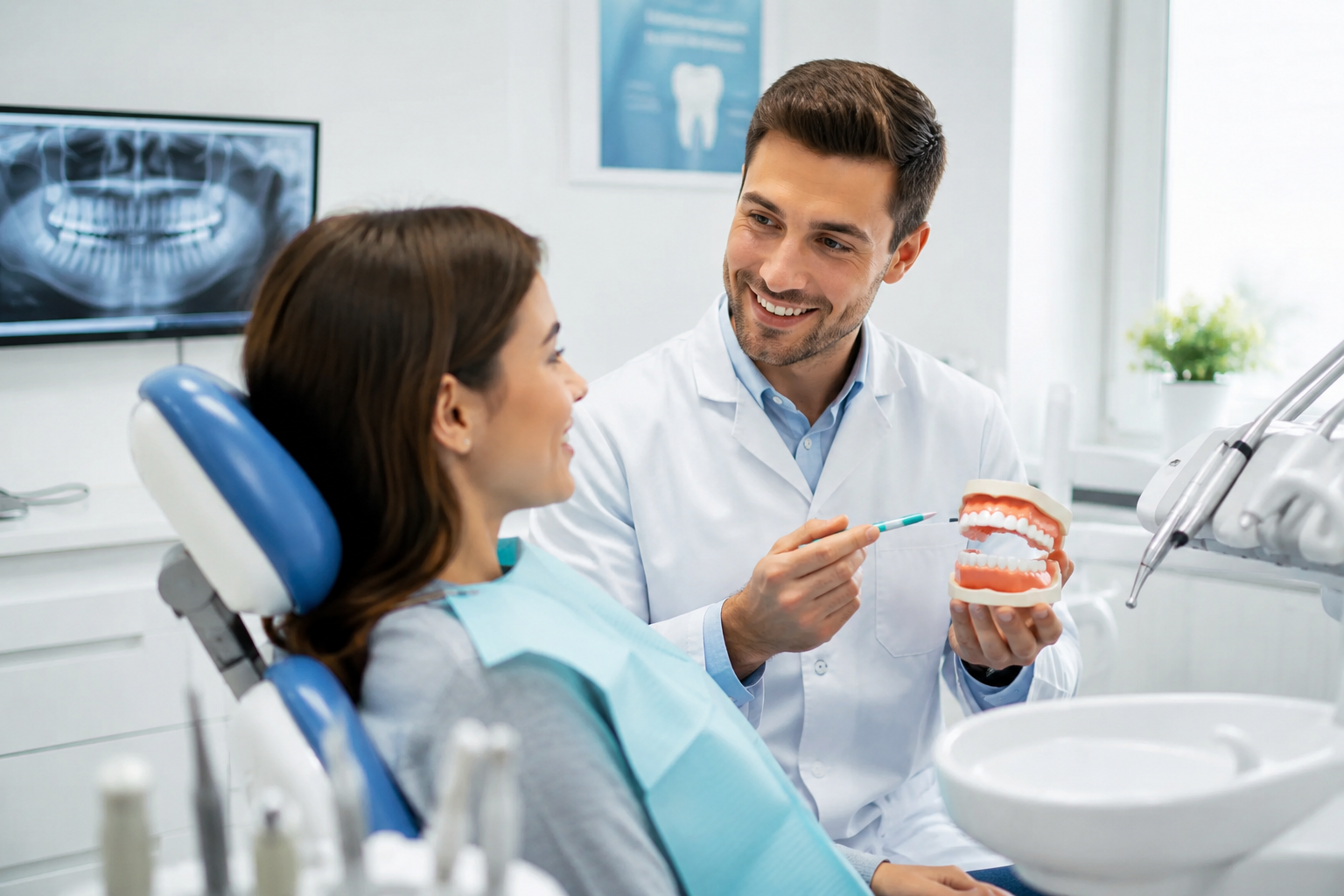
When a tooth cracks, a filling falls out, or sudden pain wakes you at night, you need fast, competent care you can trust. If you’re in Concord, CA, an emergency dentist can provide same-day relief, pain control, and treatments to save teeth and prevent complications.
They explain what counts as a dental emergency and how services like urgent extractions, root canal therapy, and temporary restorations work, so you know what to expect. Practical tips on what to do before you arrive and how modern technology speeds up care will help you act quickly and calmly.
The post also covers how dentists manage pain and anxiety, ways to prevent future emergencies, and how to choose a Concord provider who offers comfort and continuity of care. If you want clear steps and reassurance when a dental crisis strikes, this guide walks you through every essential detail.
What Qualifies as a Dental Emergency
This section outlines specific signs, situations, and risks that make a dental problem urgent and in need of prompt professional care. It focuses on clear symptoms, timing for immediate attention, and dangers of waiting.
Common Symptoms That Require Urgent Care
Severe pain that wakes a person at night or is not relieved by over-the-counter pain medicine often signals an infection or nerve involvement and needs prompt evaluation. Continuous throbbing pain, swelling of the face or neck, and fever together suggest a spreading infection that can affect breathing or general health.
A tooth knocked out (avulsed) requires action within 30–60 minutes for the best chance of saving it; keep the tooth moist in milk or saliva and bring it to the clinic. A cracked or fractured tooth exposing the pulp can cause sharp pain and bleeding; this often needs a root canal or extraction the same day.
Loose permanent teeth after trauma, persistent bleeding after an extraction or injury, and signs of abscess (pus, bad taste, swollen glands) also demand urgent care. Sudden orthodontic hardware failure causing injury or swallowing a broken piece falls into the same category.
When to Seek Immediate Attention
Seek immediate care if there is uncontrolled bleeding that doesn’t stop after 15–20 minutes of firm pressure. Any progressive swelling that affects breathing, swallowing, or speaking requires emergency evaluation, as airway compromise can be life-threatening.
If a permanent tooth is completely displaced, bring the tooth in appropriate storage fluid and get to an emergency dentist or ER quickly. Severe, unrelenting pain with fever and malaise—especially in someone with diabetes, a weakened immune system, or heart conditions—warrants same-day treatment to prevent systemic spread.
Injury after a fall or sports accident with jaw misalignment, numbness, or trouble closing the mouth needs urgent imaging and possible surgical care. For sudden implant failure with infection or exposed hardware, immediate assessment can prevent further bone loss.
Risks of Delaying Treatment
Delaying care for infections can allow bacteria to spread from the tooth into facial spaces, causing cellulitis or a deep neck infection that may require hospitalization and IV antibiotics. Untreated abscesses can erode bone and damage adjacent teeth, increasing the complexity and cost of later treatment.
A delayed response to a knocked-out tooth reduces the chance of successful reimplantation dramatically after the first hour. Postponing care for a cracked tooth that exposes the pulp often results in irreversible nerve damage and the need for extraction rather than a simpler root canal and crown.
Ignoring severe pain or swelling can lead to systemic complications, longer recovery times, and more extensive procedures such as surgical drainage, bone grafting, or tooth replacement. Contact the dental office promptly for guidance and to arrange a timely evaluation.
Types of Emergency Dental Services in Concord
Concord emergency dental clinics handle sudden pain, traumatic injury, and teeth that can’t wait for a regular appointment. They prioritize quick diagnosis, pain control, and preserving natural teeth whenever possible.
Toothache and Pain Relief Solutions
Dentists first perform a focused exam and digital X-rays to find the cause—decay, abscess, cracked tooth, or gum infection. They use local anesthesia for immediate relief and prescribe antibiotics when a bacterial infection is suspected.
For pulpitis or an abscess, the clinician often offers same-day root canal therapy to remove infected tissue and save the tooth. When root canal isn’t feasible right away, temporary measures—pulpotomy, drainage of an abscess, or a sedative dressing—reduce pain until definitive care.
Over-the-counter analgesics and short courses of prescribed opioids are used sparingly and paired with clear dosing instructions. Clinics also suggest home measures: warm salt-water rinses, cold packs for swelling, and avoiding chewing on the affected side.
Emergency Tooth Extractions
When a tooth is irreparably damaged by trauma or severe infection, extraction may be the safest option. The dentist explains risks and alternatives, including immediate or delayed replacement options like implants or bridges.
Extractions use local anesthesia, and for anxious patients clinics offer nitrous oxide or oral sedation. Post-extraction care instructions cover bleeding control, pain management, and signs of dry socket to watch for.
When a front tooth is knocked out, quick action matters: if the tooth is clean, store it in milk or saliva and get to the clinic within an hour for possible replantation. For complex surgical removals, the dentist coordinates with an oral surgeon to ensure safe, timely care.
Treatment for Chipped or Broken Teeth
Small chips often receive smoothing and composite bonding the same day to restore shape and prevent sensitivity. Bonding matches tooth color and preserves most of the natural structure with a minimally invasive approach.
For larger fractures that expose the pulp, the clinic provides protective covers or immediate root canal treatment followed by a crown. Crowns restore strength and function and can be placed as a temporary crown quickly, with a final restoration scheduled within weeks.
In cases of trauma to multiple teeth or damage to supporting bone, clinics use digital imaging and coordinate with specialists—endodontists or oral surgeons—to plan staged treatment. They also advise on temporary splints to stabilize loose teeth while healing occurs.
How Emergency Dentists Manage Pain and Anxiety
Emergency dentists focus on rapid pain relief and calming techniques so patients can receive prompt, effective care. They combine topical and injectable anesthesia with behavior-focused strategies and, when needed, controlled sedation to keep procedures safe and comfortable.
Gentle Numbing Techniques
Dentists begin with topical anesthetic gel or spray to numb soft tissues before any injection, reducing the sting and immediate discomfort. For deeper pain control, they use local anesthetic injections (like lidocaine or articaine) targeted to the specific nerve supplying the tooth; this blocks sensation to the injured area within minutes.
When a patient has an infection or inflammation, dentists may choose higher-dose anesthetic or a different agent because inflamed tissue can resist standard anesthetic. They also use buffering techniques (mixing anesthetic with a bicarbonate solution) to speed onset and lessen burning on injection. For anxious or needle-averse patients, dentists apply numbing patches or use computer-assisted injection systems that deliver anesthetic slowly and steadily to minimize pressure and pain.
Options for Sedation Dentistry
Dentists offer several sedation levels based on procedure complexity and patient anxiety: nitrous oxide (laughing gas), oral sedatives (usually a benzodiazepine), and IV sedation when deeper control is needed. Nitrous oxide acts quickly, reduces anxiety, and wears off fast—making it ideal for short emergency treatments; patients remain responsive and can go home soon after.
Oral sedation provides moderate relaxation for those who fear the dental chair; patients typically need a companion to drive them home. IV sedation allows precise, adjustable control and is used for extensive procedures or severe anxiety; monitoring equipment tracks vital signs and the dental team includes trained staff to ensure safety. Dentists review medical history, current medications, and allergies before selecting sedation to avoid interactions and choose the safest option for each patient.
Steps to Take Before Reaching the Dental Office
Act quickly and calmly. Prioritize preserving tooth structure, controlling bleeding, and reducing swelling while arranging transport to the Concord clinic.
Handling a Knocked-Out Tooth
If a permanent tooth is knocked out, pick it up by the crown — avoid touching the root. Rinse visible dirt gently with milk or saline for no more than 10 seconds; do not scrub or use soap.
Try to reinsert the tooth into the socket immediately, holding it by the crown and biting down gently on gauze or a clean cloth to keep it in place. If reinsertion isn’t possible, store the tooth in cold milk, saline, or the patient’s saliva (inside the cheek) and keep it moist; avoid tap water.
Seek emergency dental care within 30–60 minutes for the best chance of reattachment. Bring the tooth in a labeled, sealed container and note the time of injury for the dentist.
Managing Swelling or Bleeding
Apply firm, direct pressure with sterile gauze to control bleeding for 10–15 minutes; replace gauze as needed. If bleeding persists beyond 20–30 minutes or is heavy, go to the emergency room after calling the dental office.
Use a cold pack on the outside of the cheek in 10–15 minute intervals to reduce swelling and pain. Keep the head elevated while lying down to limit bleeding and swelling; avoid strenuous activity.
For pain, take over-the-counter ibuprofen or acetaminophen per dosing instructions, unless contraindicated. Avoid aspirin because it can increase bleeding. Contact the Concord emergency dentist to confirm next steps and arrive with any allergy or medication information.
Modern Technology for Fast and Comfortable Emergency Care
Patients often want quick answers and treatment that reduces pain and time in the chair. This section explains two key technologies that speed diagnosis and deliver same-day repairs with less discomfort.
Digital X-Rays for Quick Diagnosis
Digital X-rays produce high-resolution images in seconds, letting the dentist spot fractures, abscesses, and hidden decay without multiple exposures. The sensor sends images directly to a monitor so the dentist can zoom, adjust contrast, and explain findings to the patient on the spot.
Radiation exposure from digital sensors is up to 80–90% lower than older film X-rays, which matters for repeat imaging during follow-up care. Images integrate with the patient’s electronic chart instantly, enabling faster referrals to specialists or same-day treatment planning when needed.
Digital X-rays also support intraoperative checks. For example, after a root canal or tooth extraction, a quick radiograph confirms instrument position or remaining fragments, reducing the need for repeat visits and minimizing post-procedure uncertainty.
Same-Day Restorations
Same-day restorations use CAD/CAM milling and chairside ceramics to create crowns, inlays, and onlays during a single appointment. The dentist scans the prepared tooth with an intraoral scanner, designs the restoration digitally, and mills it from durable ceramic while the patient waits.
This approach eliminates temporary crowns, which lowers the risk of sensitivity, contamination, or loss between appointments. It also shortens overall treatment time—patients leave with a finished, polished restoration instead of returning weeks later.
Materials used for same-day restorations, such as lithium disilicate, offer strong, long-lasting results with lifelike aesthetics. The dentist can adjust shade and fit immediately, improving comfort and function and reducing the likelihood of emergency returns for adjustments.
Prevention Tips to Avoid Dental Emergencies
Practicing consistent habits at home and keeping scheduled dental visits greatly reduces the chance of painful or urgent dental problems. Small daily choices — brushing technique, diet, protective gear — make a measurable difference in preventing chips, infections, and lost restorations.
Everyday Habits for Stronger Teeth
They should brush twice daily for two minutes using a soft-bristled brush and a fluoride toothpaste to remove plaque and strengthen enamel. Flossing once a day reaches between teeth where a brush can’t and reduces the risk of decay and gum inflammation that can escalate into abscesses.
Limit acidic and sugary drinks to mealtimes and drink water after consuming them to neutralize acids. Avoid chewing ice, hard candy, or non-food items; these common behaviors cause cracked teeth and broken crowns that often require emergency visits.
Wear a custom nightguard if they grind or clench teeth (bruxism) to prevent fractures and worn enamel. Use a properly fitted sports mouthguard during contact sports to stop avulsions and fractured front teeth.
Importance of Routine Checkups
They should schedule dental exams and cleanings every six months, or more often if they have gum disease, diabetes, or a history of frequent cavities. Professional cleanings remove tartar that brushing can’t, lowering the risk of periodontal disease and tooth loss.
Dental exams include bite and restoration checks that spot loose fillings, cracks, or early infection before they become emergencies. X-rays taken periodically reveal hidden decay, bone loss, or impacted teeth that need timely treatment.
If they notice sensitivity, a loose filling, or swelling between visits, call the dentist promptly; early intervention often converts an emergency into a simple office visit. Regular communication with the dental team helps tailor preventive care and provides quicker access to urgent appointments when necessary.
Choosing the Right Emergency Dentist in Concord
When someone needs urgent dental care, they should look for a dentist who offers clear hours and same-day appointments. Accessibility matters; proximity and convenient scheduling reduce stress and speed treatment.
Patients should confirm the dentist’s emergency experience and credentials. Ask whether they handle trauma, severe pain, and infection, and whether they work with on-site imaging or refer quickly for labs and specialists.
Insurance and payment options affect choices. Verify accepted plans, emergency fees, and whether the office offers payment plans or financing to avoid surprises.
Comfort and communication matter as much as clinical skill. A calm staff, pain-management options, and clear explanations help patients feel safer and more informed during an emergency.
Consider reviews and local reputation but weigh them alongside verified facts. Look for consistent praise about responsiveness and outcomes rather than single glowing or negative comments.
Use this quick checklist to compare offices:
- Office hours and same-day availability
- Emergency procedures handled (extractions, root canals, infection control)
- On-site diagnostics and referral network
- Accepted insurance and payment options
- Patient comfort measures and communication style
They should call the office before arriving to confirm availability and get guidance on immediate steps. If symptoms include swelling, fever, or spreading infection, they should seek urgent care right away.
What to Expect During Your Emergency Visit
Patients arriving for an emergency dental visit will usually be greeted and asked about their symptoms right away. Staff will collect basic medical history and insurance details while the clinician prepares to assess the problem.
The dentist performs a focused exam to identify pain sources, visible damage, or signs of infection. They may take X‑rays or use an intraoral camera to clarify the diagnosis quickly.
Immediate care often addresses pain and infection control first. That can include prescribing antibiotics, administering a local anesthetic, or performing temporary repairs such as splinting a loose tooth or placing a temporary filling.
Treatment plans are explained in plain language, with options, expected steps, and cost estimates. Patients receive clear aftercare instructions — for example, how to manage swelling, what foods to avoid, and when to return for follow‑up.
Payment and scheduling are handled at checkout, and clinics often provide emergency contact details for after‑hours questions. For urgent cases that require specialists or hospital referral, the dentist will coordinate next steps and help arrange timely care.
Peace of Mind: The Value of Having a Trusted Dental Partner
A trusted dental partner reduces stress when dental problems happen. They provide quick guidance, reliable emergency care, and a clear plan for follow-up treatment.
Familiarity with a dentist speeds diagnosis and treatment. Records, past X-rays, and knowledge of medical history let the team act efficiently and avoid repeating tests.
Consistent care improves outcomes and comfort. Patients who know their dentist report less anxiety and better adherence to aftercare instructions.
Practical benefits include:
- Faster appointments when an emergency arises.
- Streamlined billing and insurance help.
- Coordinated referrals to specialists if needed.
Modern offices emphasize patient comfort and communication. They offer sedation options, clear explanations of procedures, and written aftercare steps to ease recovery.
Building a relationship encourages preventive care and fewer emergencies over time. Regular checkups allow dentists to catch small problems before they become urgent.
Encourage patients to keep contact details handy and to ask about emergency protocols. They should know who to call, what to bring, and when to seek immediate care to protect oral health.
Frequently Asked Questions
This section answers common concerns about immediate tooth pain, injuries, and where to get prompt care in Concord, CA. It explains what emergency rooms can and cannot do, how to tell urgent problems from ones that can wait, and practical next steps for people without a regular dentist.
Will the ER treat a toothache or dental infection, and what can they actually do for pain relief?
Emergency departments will treat severe dental pain and infections that threaten breathing or cause systemic symptoms like fever, swelling of the face/neck, or difficulty swallowing. They provide pain control (IV or oral analgesics), IV antibiotics for spreading infections, and basic drainage if an abscess is life‑threatening.
ERs generally do not perform definitive dental repairs such as root canals, crowns, or tooth reimplantation. They typically refer patients to an on‑call dentist or an urgent dental clinic for follow‑up definitive care.
What situations count as a true dental emergency versus something that can wait a day or two?
True dental emergencies include uncontrolled bleeding, severe facial swelling or difficulty breathing, intense pain not controlled by OTC meds, and a knocked-out tooth that may be reimplanted. Signs of spreading infection—fever, rapidly worsening swelling, or trouble swallowing—also require immediate care.
Problems that can usually wait 24–48 hours include mild toothache without swelling, a lost filling or crown with no pain, and minor gum irritation. Still, worsening symptoms should prompt earlier evaluation.
If I don’t have a regular dentist, what should I do right now to get help for sudden tooth pain?
Call nearby urgent care dental clinics or search for “emergency dentist Concord CA” to find providers offering same‑day visits. Many dental offices keep slots for emergencies and can advise on next steps over the phone.
If you experience severe swelling, fever, or breathing difficulty, go to the nearest hospital emergency department immediately. Keep records of any allergies and current medications to share with the provider.
Where can I go for urgent dental pain after hours, and how quickly can I typically be seen?
After hours, look for 24/7 emergency dental clinics, hospital emergency departments, or dental offices with on‑call emergency services. In Concord, many urgent dental clinics offer evening and weekend appointments with typical wait times of a few hours for same‑day visits.
Call ahead when possible to confirm availability and estimated wait times. Telehealth consultations can provide immediate advice and prescriptions while arranging an in‑person visit.
What should I do if I chip, crack, or knock out a tooth—especially if there’s bleeding or swelling?
For a knocked‑out permanent tooth, find the tooth, handle it by the crown only, rinse gently if dirty, and place it back in the socket if possible. If reinsertion isn’t possible, keep it moist in milk or saline and see a dentist within 30–60 minutes for the best chance of reimplantation.
For chips or cracks, rinse the mouth with warm water and apply a cold pack for swelling. Control bleeding with gauze and seek dental care promptly; fractures that expose the nerve or cause severe pain require immediate attention.
How can I manage dental pain safely at home until I can get professional care, and what should I avoid doing?
Use over‑the‑counter ibuprofen or acetaminophen at recommended doses for pain relief and apply a cold pack to reduce swelling. Rinse with warm salt water to clean the area and, if advised, use topical oral analgesics sparingly.
Avoid placing aspirin directly on gums or teeth, using alcohol or hydrogen peroxide as a long‑term rinse, and attempting to self‑reimplant primary (baby) teeth. Do not delay care if symptoms worsen or systemic signs like fever develop.
If questions remain or symptoms escalate, contact a dental professional for guidance and to schedule an evaluation.