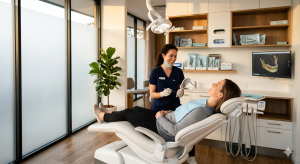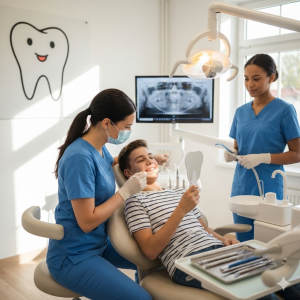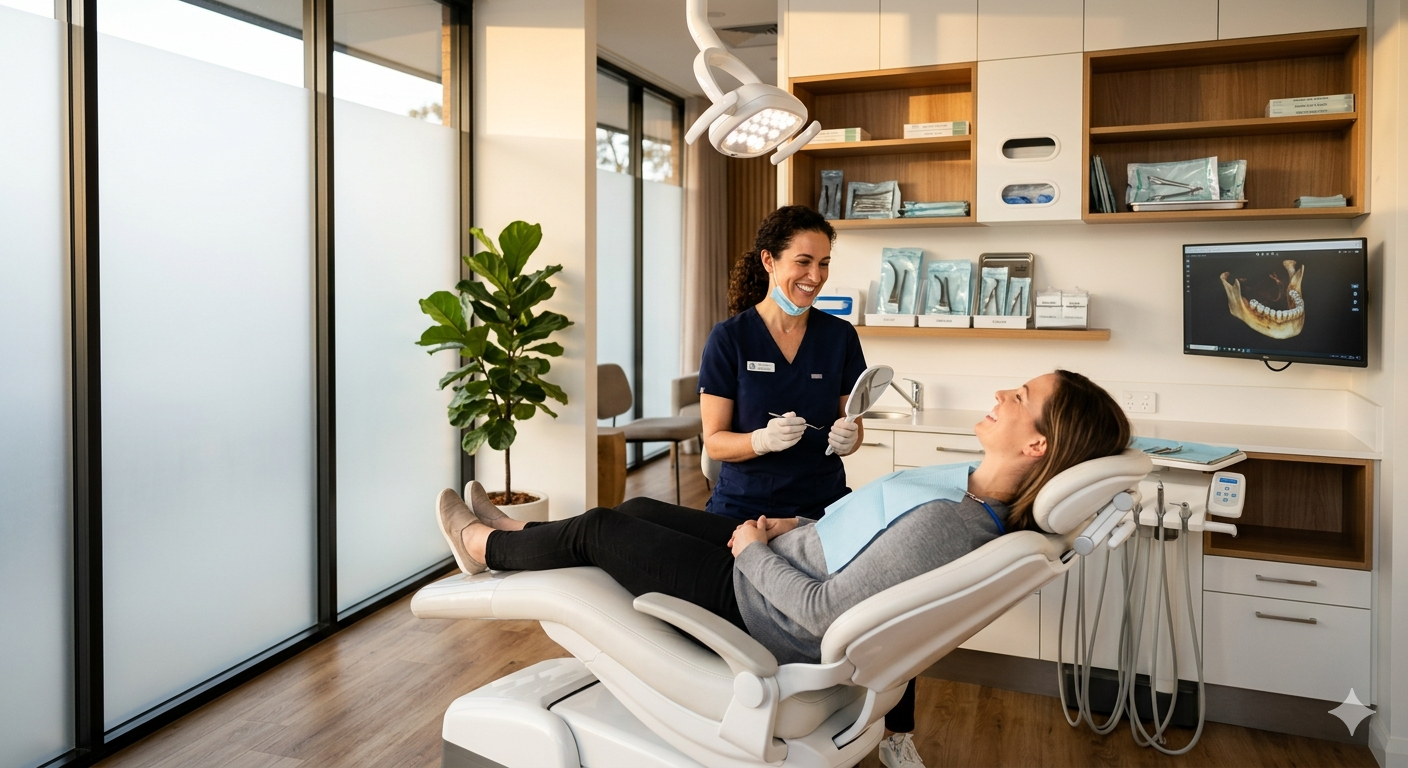
Dental implants in Concord, CA, offer a reliable and natural-feeling solution for people missing one or more teeth. They act like artificial tooth roots, providing strong support for replacement teeth that look and feel just like your own. This makes them a popular choice for restoring smiles and improving oral function.
Many patients wonder if dental implants are painful or complicated. The procedures used in Concord clinics focus on patient comfort and minimally invasive techniques, making the experience as smooth as possible. With advancements in technology, recovery times are shorter and outcomes are more predictable than ever.
Choosing the right provider in Concord is key to getting the best results. Dentists often tailor treatment plans to meet individual needs, offering personalized care and thorough guidance. If someone is curious about implants or unsure if they are a good candidate, a consultation can provide clear answers and next steps.
What Are Dental Implants?
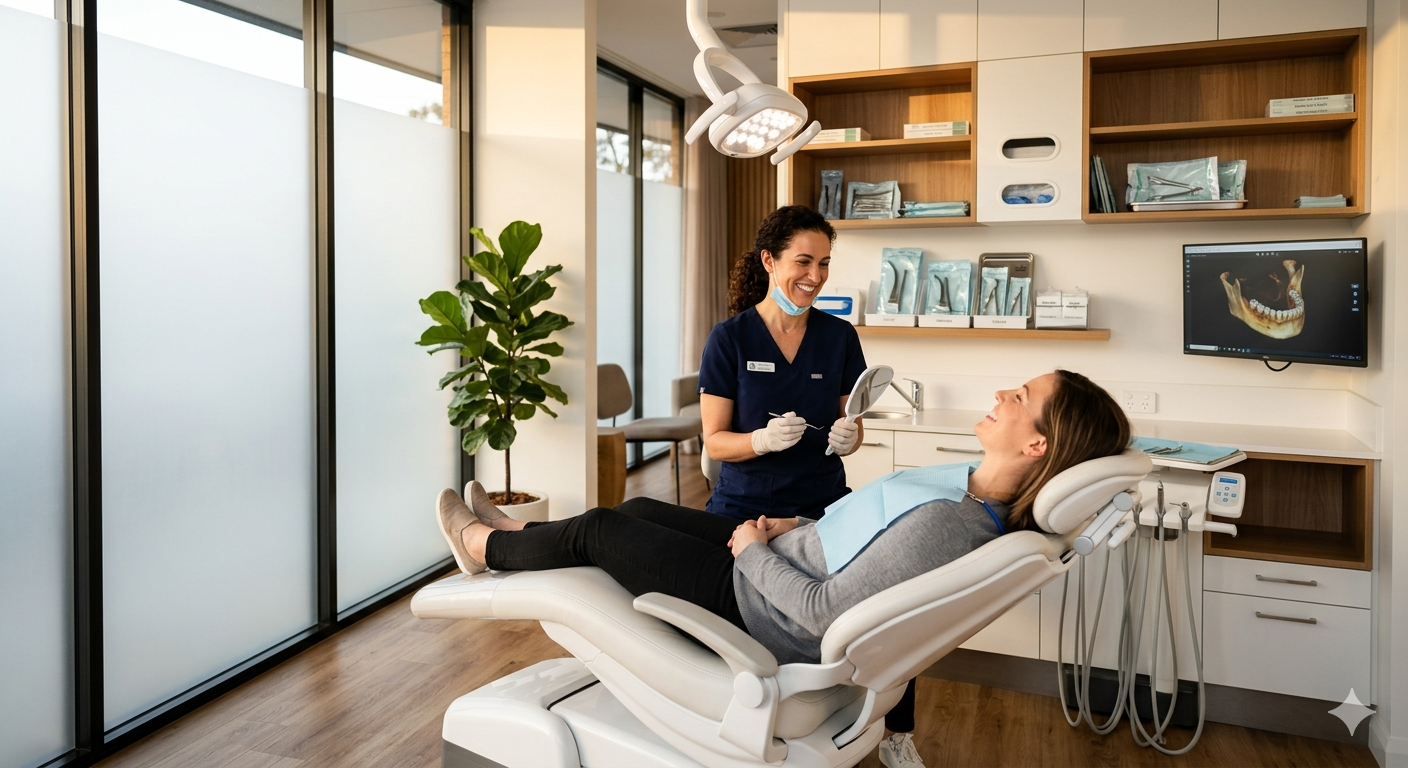
Dental implants are small, titanium posts that act as artificial tooth roots. They are placed into the jawbone to support replacement teeth like crowns, bridges, or dentures. Because titanium fuses well with bone, implants provide a stable and long-lasting foundation.
Unlike traditional dentures, implants look and feel more natural. Patients can eat, speak, and smile with confidence because implants prevent bone loss and maintain facial structure over time.
Here are the main parts of a dental implant:
| Part | Description |
|---|---|
| Implant Post | Titanium screw placed in the bone |
| Abutment | Connector between post and crown |
| Crown | The visible tooth-shaped cap |
The procedure usually starts with an evaluation and imaging to ensure good bone health. After placement, healing takes time for the bone to grow around the implant—a process called osseointegration. Once healed, the abutment and crown are attached.
Dental implants offer a modern option for those missing teeth, combining durability with comfort. They aim to preserve oral health and improve quality of life with natural function and appearance.
Patients considering dental implants in Concord, CA, can speak with their dentist about whether this treatment fits their needs and lifestyle.
Why Choose Dental Implants in Concord CA?
Dental implants in Concord offer a unique combination of expert care, advanced technology, and a community-centered approach. This ensures patients receive treatments tailored to their needs while feeling supported throughout their dental journey.
Personalized Local Care
Dental practices in Concord provide personalized care by focusing on each patient’s unique dental history and lifestyle. Dentists take time to explain every step, easing concerns about the implant process.
Many local providers emphasize comfort and follow-up support. This means patients get thorough check-ins after surgery and advice to maintain their implants long-term. The personal connection helps build trust, making the experience less intimidating.
Modern Technology and Materials
Concord dental offices use the latest implant technology for precision and improved healing. Tools like 3D imaging help plan implant placement with accuracy, reducing discomfort and recovery time.
High-quality materials such as titanium and ceramic are standard, chosen for durability and natural appearance. Modern implants closely match real teeth in function and look, offering a stable, long-lasting solution that supports chewing and speech.
Community-Focused Dental Practice
Dentists in Concord are often deeply involved in the community, understanding local needs and priorities. This connection shapes a caring environment where patients feel valued beyond just their dental appointments.
Practices may offer flexible scheduling, affordable payment plans, and personalized education programs. These efforts make dental implants accessible and comfortable for a wide range of residents, encouraging better oral health for everyone.
Benefits of Dental Implants
Dental implants offer advantages that go beyond just replacing missing teeth. They provide a solution that supports both the appearance and health of the mouth while lasting for many years.
Natural Look and Feel
Dental implants are designed to mimic natural teeth closely. The implant sits securely in the jawbone, providing a stable foundation that feels like a real tooth when eating or speaking. Unlike dentures, implants don’t move or slip, which helps maintain confidence in social and professional settings.
The crown attached to the implant is custom-made to match the color, shape, and size of surrounding teeth. This ensures a seamless blend that’s hard to distinguish from natural teeth. Patients often report that others do not notice their implants, making the experience much more comfortable.
Improved Oral Health
One of the biggest health benefits of dental implants is their role in preserving the jawbone. When a tooth is lost, the bone around it begins to shrink over time, which can alter facial structure and weaken adjacent teeth.
Because implants fuse to the bone, they help maintain bone density and prevent further deterioration. This protects the integrity of nearby teeth without needing to grind them down, as is necessary with dental bridges. Implants also make oral hygiene easier since they don’t require special cleaning beyond regular brushing and flossing.
Long-Lasting Solution
Dental implants are known for their durability and longevity. With proper care, they can last 20 years or more, often a lifetime. This makes them a wise investment compared to other tooth replacement options that may need frequent repair or replacement.
The titanium posts used in implants are highly biocompatible, reducing the risk of rejection or complications. Regular check-ups and good oral care habits keep implants in good condition, supporting a healthy, functional smile for decades.
Types of Dental Implants Available
Dental implants come in different forms that suit various needs, whether replacing a single tooth or multiple teeth. Each type offers distinct benefits and approaches to restore both function and appearance.
Single Tooth Implants
A single tooth implant replaces one missing tooth by inserting a titanium post into the jawbone. This acts as a sturdy root for a custom-made crown that looks and feels like a natural tooth.
It preserves neighboring teeth since no drilling or anchoring on them is required. Healing time varies but generally takes a few months for the implant to fuse with the bone (osseointegration).
Single tooth implants are ideal for patients who want a long-lasting, natural-looking solution without affecting surrounding teeth. They help restore chewing ability and maintain jawbone health.
Implant-Supported Bridges
Implant-supported bridges are used when multiple adjacent teeth are missing. Instead of individual implants for each tooth, two or more implants anchor a bridge that holds replacement teeth.
This method reduces the number of implants needed and supports strong dental restoration. The bridge restores chewing and speaking functions better than traditional dentures.
The implants also prevent bone loss in the jaw by stimulating the bone, similar to natural tooth roots. This approach is suitable for patients who have lost several teeth in a row.
Full-Arch Implants
Full-arch implants restore an entire upper or lower set of teeth. Several implants are placed strategically to support a full arch prosthesis, often called “All-on-4” or similar systems.
This offers a fixed, stable solution compared to removable dentures. Patients benefit from improved comfort, chewing efficiency, and aesthetics with fewer implants than individual replacements.
The procedure may include bone grafting if needed and usually requires a healing period. Full-arch implants are ideal for those needing complete restoration due to extensive tooth loss.
The Dental Implant Procedure
A dental implant involves several key steps designed to ensure a strong, lasting foundation for replacement teeth. Each phase is carefully planned and executed to promote healing and success, with patient comfort prioritized throughout.
Initial Consultation and Evaluation
During the first visit, the dentist reviews the patient’s dental and medical history to determine suitability for implants. They perform a thorough oral exam, assessing bone density and gum health. X-rays or 3D scans may be taken to get a detailed picture of the jawbone structure.
This stage is crucial to identify any issues that could affect implant success, such as bone loss or gum disease. The dentist discusses the patient’s goals, answers questions, and explains the process in straightforward terms. This helps set realistic expectations and design a personalized treatment approach.
Treatment Planning
Once the evaluation is complete, the dentist creates a customized plan. This includes deciding the exact location and number of implants needed based on the patient’s anatomy and the type of restoration, like crowns or bridges.
The plan also covers timing—whether to place implants immediately after tooth extraction or to wait for healing. Sometimes, bone grafting is recommended to strengthen the jaw if bone volume is insufficient. The dentist outlines the entire timeline, costs, and steps so the patient can prepare fully.
Surgical Placement of the Implant
On the day of surgery, the patient receives local anesthesia or sedation for comfort. The dentist makes a small incision in the gum to expose the jawbone, then drills carefully to insert the titanium implant post. This post acts as an artificial tooth root.
The gum is stitched closed around the implant to protect the area while it heals. Over the next few months, the implant fuses with the bone in a process called osseointegration, providing a solid base for the final crown or bridge. Follow-up visits monitor healing and ensure everything is progressing smoothly.
Recovery and Aftercare for Dental Implants
Proper care after dental implant surgery supports healing and reduces discomfort. Paying attention to specific instructions can help avoid complications and ensure the implant integrates well with the bone.
Post-Surgery Guidance
After the implant procedure, it’s normal to experience some swelling and mild pain. Using ice packs on the cheek for 15-minute intervals during the first 24 hours helps reduce swelling.
Patients should avoid strenuous activity for at least 48 hours. Eating soft foods like yogurt, mashed potatoes, and soups is recommended. Avoid hot, spicy, or crunchy foods that might irritate the area.
Smoking and alcohol slow healing and should be avoided for at least two weeks post-surgery. Pain relief medication will typically be prescribed, and it’s important to follow dosage instructions carefully.
Oral Hygiene Tips
Keeping the implant site clean is crucial to prevent infection. Patients should gently rinse with a saltwater solution (½ teaspoon salt in 8 ounces of warm water) starting 24 hours after surgery.
Brushing nearby teeth carefully with a soft-bristled brush is advised, but avoid direct contact with the implant site for the first week. Flossing can resume once the implant area feels less sensitive, usually after about two weeks.
Using non-alcoholic mouthwash may be recommended. Avoid vigorous rinsing or spitting to protect the blood clot and promote healing.
Follow-Up Visits
Follow-up appointments allow the dentist to monitor implant healing and detect any early signs of issues. Typically, the first visit is scheduled about one to two weeks after surgery to check the surgical site and remove stitches if necessary.
Further visits occur over the next several months to ensure the implant fuses properly with the jawbone. These visits also help plan the placement of the final dental crown.
Patients should report any increased pain, swelling, or unusual symptoms to the dentist promptly between visits. Regular follow-ups are key to long-term success.
Who Is a Good Candidate for Dental Implants?
Dental implants work best for patients who meet certain health and anatomical conditions. These include overall physical health, adequate bone structure, and the ability to maintain good oral hygiene. When these factors align, implants are a reliable and lasting option.
Health Requirements
Good candidates should be free from uncontrolled chronic conditions like diabetes or cancer, which can impair healing. Healthy gums are essential because gum disease can lead to implant failure. Nonsmokers or those willing to quit have better implant success rates since smoking reduces blood flow and slows recovery.
Patients must commit to excellent oral care. Regular brushing, flossing, and dental visits help prevent infections after surgery. Age is less of a factor than health status; even seniors can be candidates if their general health is strong enough to support healing.
Bone Density Considerations
Strong, dense jawbone tissue provides the foundation implants need to fuse securely. Patients with significant bone loss may require bone grafting before implant placement. This adds time but can improve implant stability significantly.
Dentists use scans to measure bone height and width. If bone is thin or soft, implants might not integrate well, leading to early failure. For some, a custom implant design or mini implants may be an option when bone density is borderline but not adequate for standard implants.
Alternative Options if Not Eligible
If a patient isn’t eligible for dental implants, other routes can restore teeth function and appearance. Options include bridges, which attach to adjacent teeth, or removable dentures that don’t require surgery. Both can be effective and less invasive.
Some patients unsuitable for implants because of bone loss or health issues might explore implant-supported overdentures as a middle ground. These use fewer implants to stabilize a denture, offering improved comfort and chew ability compared to conventional dentures. Discussing options with a dentist helps tailor solutions that fit individual needs and lifestyles.
Dental Implant Costs and Financing in Concord CA
Understanding dental implant costs and available payment options can help patients in Concord plan their treatment comfortably. Costs vary based on several key factors, and many local clinics offer insurance support and financing plans. Investing in a dental implant is often seen as a long-term choice for oral health and confidence.
Factors Affecting Cost
The overall price of dental implants in Concord depends on the complexity of each case. Factors include the number of implants needed, the type of implant post, and whether additional procedures like bone grafts or sinus lifts are required.
Material quality influences price too, with titanium implants generally costing less than zirconia options. The dentist’s experience and the technology used, such as 3D imaging or same-day implant placement, can also affect costs.
Typical prices range from $3,000 to $5,000 per implant, but this can increase with added treatments. Patients should get detailed estimates and understand every component of the cost before proceeding.
Insurance and Payment Plans
Most dental insurance plans in Concord do not fully cover implants but might assist with related procedures like extractions or imaging. It’s important for patients to verify their policy details before the appointment.
Many dental offices offer flexible payment plans, including no-interest or low-interest financing options. These plans break the total cost into manageable monthly payments, making implants more affordable without compromising quality.
Some clinics partner with third-party financiers such as CareCredit, allowing patients to apply for credit specifically for dental treatments. Asking about these options during the consultation is a good step to reduce financial stress.
Investing in Your Smile
Choosing dental implants is an investment in both oral health and quality of life. Unlike dentures, implants help preserve jawbone density and provide stable, natural-feeling teeth.
While the upfront cost may seem high, implants often reduce future repair or replacement expenses compared to other tooth replacement methods. Many patients find improved chewing ability and boosted confidence well worth the price.
Discussing individual goals and budgets openly with the dentist in Concord can lead to personalized treatment plans. This helps patients feel comfortable and supported throughout their implant journey.
Choosing the Right Dentist for Dental Implants in Concord CA
Finding the right dentist means focusing on proven experience, patient care, and a clear plan during your first consultation. These factors help ensure the process feels comfortable and tailored to your needs. Knowing what to look for makes the whole dental implant journey smoother.
Experience and Credentials
The dentist’s background matters a lot. Look for a provider with specific training in dental implants, such as certifications from recognized organizations like the American Academy of Implant Dentistry (AAID). Experience with many successful implants signals skill and care.
Dentists who stay updated with the latest technology often use 3D imaging or guided surgery, making procedures safer and more precise. Reading patient reviews or asking about complication rates can also give insight into their track record. Confirming the dentist regularly performs implants is crucial—general dentistry does not always mean implant expertise.
Patient Comfort and Support
Dental implant treatment can feel overwhelming, so choosing a dentist who prioritizes patient comfort is key. This means they explain each step clearly, answer questions patiently, and offer anesthesia or sedation options to reduce anxiety or pain.
Friendly staff and a welcoming office make a difference too. Ask if the clinic offers flexible scheduling or help with insurance and financing. Knowing the team supports you before, during, and after the procedure helps build trust and ease concerns.
What to Expect at Your Consultation
The first visit is about assessing your oral health and discussing your goals. The dentist will review your medical history, take X-rays or scans, and examine your gums and jawbone.
You’ll get a clear explanation of the process, timeline, and costs involved. This is also the moment to ask about risks, recovery, and alternative treatments. A thorough consultation sets expectations and helps the dentist tailor the treatment plan to your specific needs.
Patient Experiences and Success Stories
Many patients in Concord, CA, have shared positive experiences after getting dental implants. They often mention how the treatment improved their confidence and everyday comfort. For example, one patient said, “I can finally eat my favorite foods without worry.”
The healing process varies, but most find it manageable with the support of their dental team. Patients appreciate clear communication and the gentle care provided throughout each step. This smooth approach helps ease anxiety around dental implants.
A few common benefits reported include:
- Better chewing ability
- Natural-looking teeth
- Long-term durability
Patient stories also highlight the importance of good aftercare. Those who follow recommendations for oral hygiene and regular checkups tend to have the best outcomes.
Here’s a quick look at a typical patient journey:
| Stage | Patient Feeling | Key Benefit |
|---|---|---|
| Pre-treatment | Nervous but hopeful | Clear explanation of steps |
| Surgery | Mild discomfort | Expert care and support |
| Recovery | Improving daily | Restored function & smile |
| Follow-up | Confident and satisfied | Long-lasting results |
Ultimately, these success stories show that dental implants can restore not just teeth but also quality of life. Patients are encouraged to discuss their concerns openly during consultations to ensure a comfortable and personalized experience.
Next Steps: Scheduling Your Dental Implant Consultation
Taking the first step toward dental implants in Concord, CA, begins with scheduling a consultation. This visit gives patients a chance to meet their dental expert, discuss their needs, and understand the procedure in detail.
During the consultation, the dentist will review medical history, perform an examination, and may take X-rays or 3D scans. These help tailor the treatment plan to each person’s unique situation. Patients can ask questions about comfort, timing, and costs.
Here’s what to expect for the appointment:
| Step | What Happens |
|---|---|
| Initial Exam | Assessment of teeth and gums |
| Imaging | X-rays or scans for precise planning |
| Discussion | Treatment options and next steps |
| Financial Review | Payment plans and insurance options |
It’s normal to feel a bit nervous. The dental team in Concord emphasizes patient comfort and clear communication. They want everyone to feel confident and informed before moving forward.
Encourage your patients to bring up any concerns or special needs during this visit. Open conversation helps create a positive experience and a successful outcome. Scheduling this appointment is a simple, important step toward a healthier smile.
Frequently Asked Questions
Many patients want to know about the costs, health considerations, and step-by-step process of getting dental implants. Comfort during the procedure and the benefits for bite and tooth alignment also come up often. Differences between treatment by general dentists and oral surgeons are important, too.
How much do dental implants typically cost, and what factors can change the price?
Dental implants in Concord, CA usually range between $3,000 and $5,000 per tooth. Prices vary depending on the need for bone grafting, the type of implant, and whether additional procedures like sinus lifts are required.
Insurance coverage and payment plans can also influence out-of-pocket costs. It helps to get a personalized quote based on the patient’s specific dental health.
Am I a good candidate for implants if I have an autoimmune condition or other health concerns?
Patients with autoimmune issues or chronic health problems may still qualify for implants. The key is evaluating overall health, immune system strength, and how well any conditions are managed.
A specialist will review medications and healing ability before recommending implants. Often, close monitoring helps ensure a successful outcome.
What does the implant process look like from consultation to final crown, and how long does it take?
The process begins with a consultation and imaging to assess bone health. The implant post is placed surgically, then healing and osseointegration take 3 to 6 months.
After that, a custom crown is attached. Timelines can vary slightly depending on individual healing and treatment complexity.
Is getting a dental implant painful, and what comfort or sedation options are available?
Most patients feel minimal discomfort since local anesthesia numbs the area. Some sedation options, like nitrous oxide or oral sedatives, can help reduce anxiety during procedures.
Post-surgery soreness usually lasts a few days and can be managed with over-the-counter pain relievers.
Can dental implants help improve my bite or fix shifting teeth after tooth loss?
Yes. Implants support proper bite alignment by replacing missing roots, which prevents other teeth from shifting. This helps maintain jawbone health and chewing efficiency.
Many patients find implants restore both function and appearance effectively.
What’s the difference between getting implants with a general dentist versus an oral surgeon?
General dentists may handle the entire implant process for straightforward cases, combining surgical placement and restoration. Oral surgeons specialize in complex surgical procedures and difficult cases.
Choosing a provider depends on the patient’s needs, with some referrals made to ensure expert surgical care.